Understanding Click Farms and Their Impact on PPC Advertising
Click farms can generate repeated advertising clicks through coordinated groups of people or devices. Learn how they work and which patterns may indicate artificial activity.
October 30, 2026
·ClicksArmor
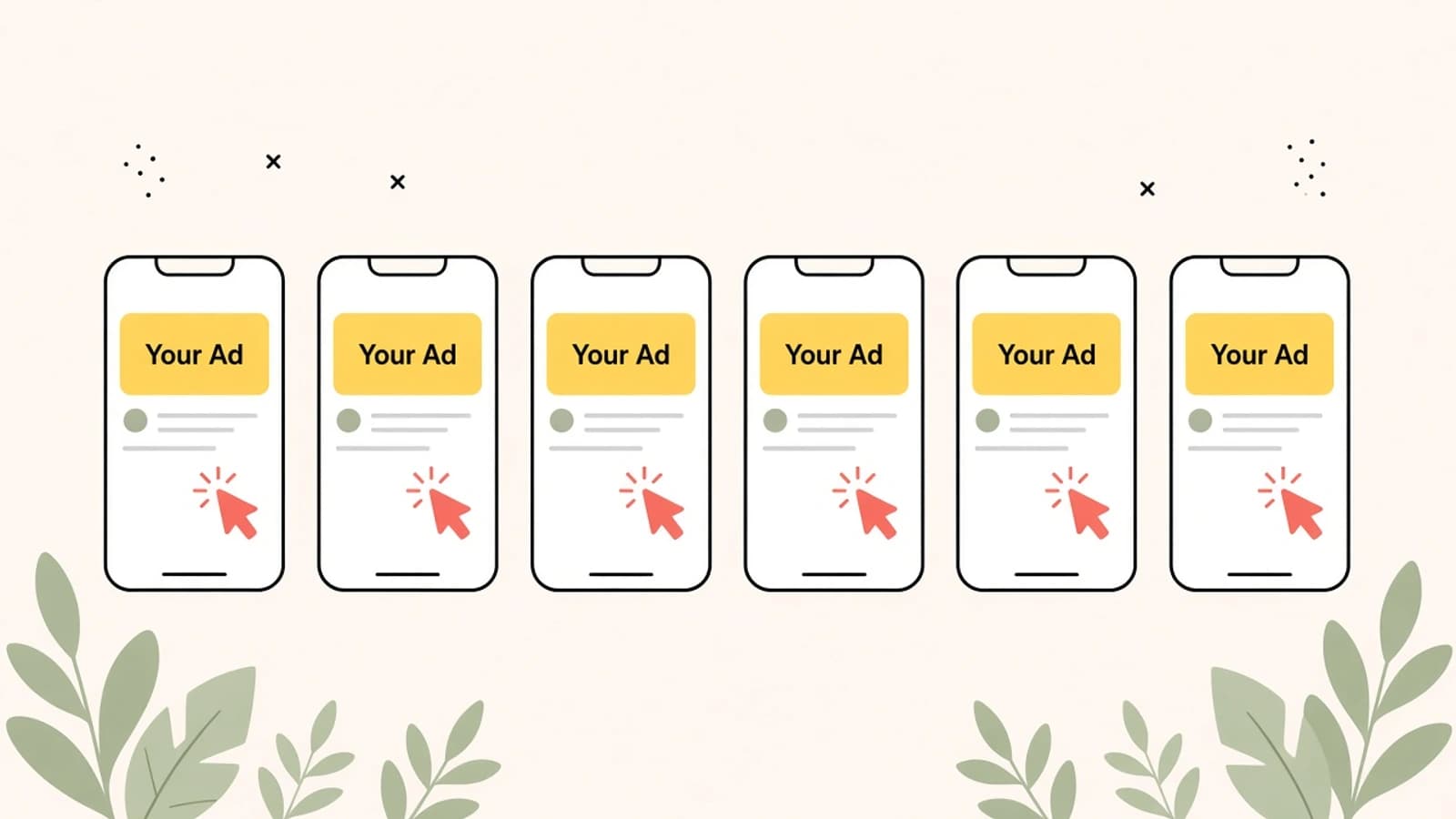
Not all abusive clicks come from obvious bots. Click farms use coordinated groups of people, devices, or mixed setups to generate advertising engagement that looks more human than pure automation. That makes them relevant to PPC teams who only watch for "non-human" signatures.
This article explains what click farms are, how their traffic may appear in campaigns, and how to investigate without assuming every coordinated pattern is malicious. It does not provide instructions for operating a click farm.
What Is a Click Farm?
A click farm is an organized operation that produces large volumes of ad clicks (and sometimes other engagement) on demand. Operators may use:
- Rooms of workers clicking on devices
- Device farms with partial automation
- Distributed remote workers following scripts
The goal is artificial engagement: depleting budgets, inflating metrics, or satisfying someone paying for "traffic."
Click farms differ from automated bots, which rely primarily on scripts without human operators in the loop. Farms can still use tools - but human or device coordination is the defining idea.
How Click Farms Generate Advertising Clicks
At a high level (without operational detail), farm traffic often involves:
- Many devices generating clicks toward the same advertisers or categories
- Repeated interaction patterns that stay just varied enough to avoid simple filters
- Network sources that may be distributed, residential-looking, or mixed
- Activity spread across hours to mimic organic demand
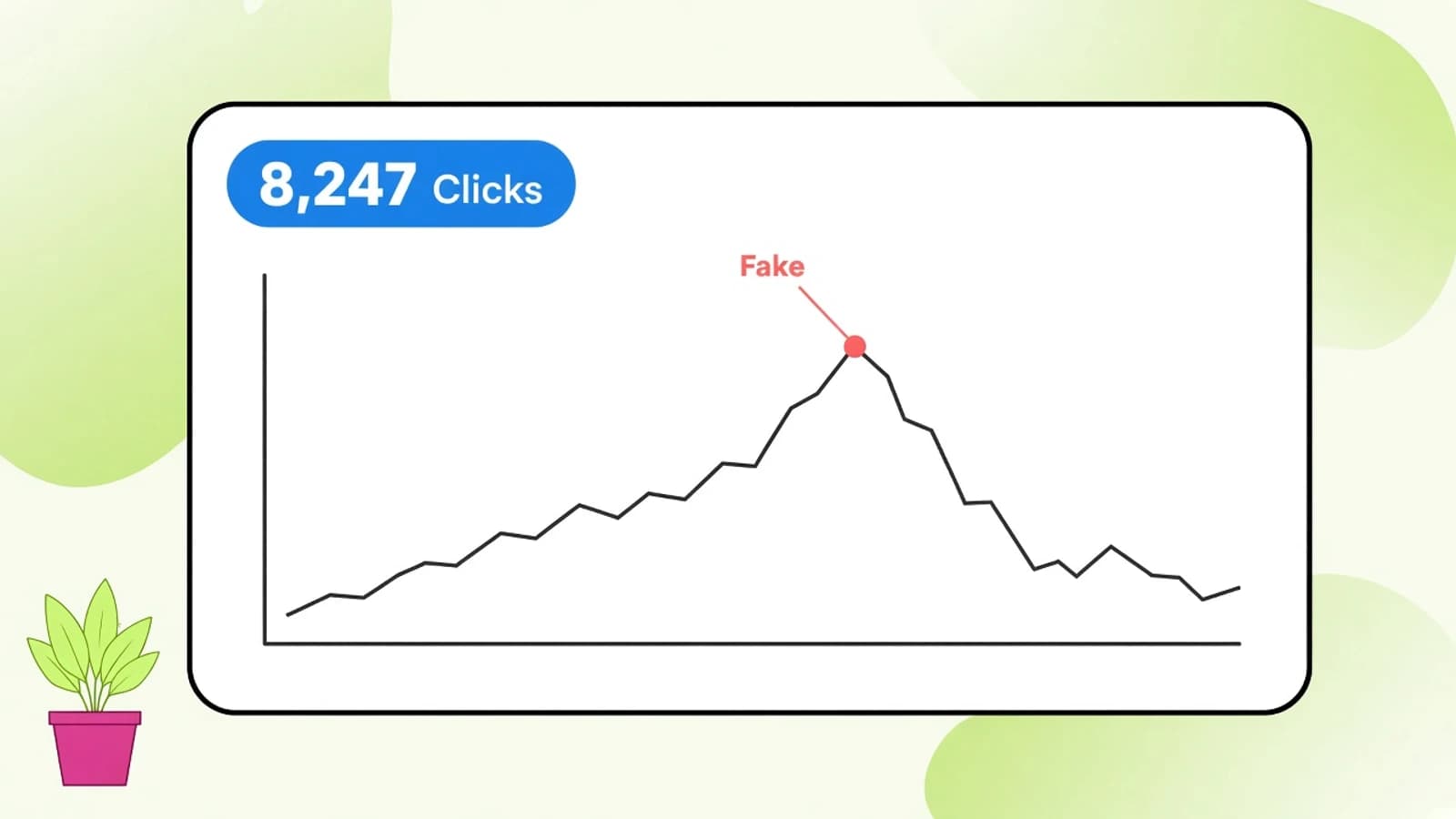
Because some farms deliberately imitate human timing, volume spikes alone are a weak detector.
How Click Farm Traffic May Affect PPC Campaigns
When farm traffic reaches paid campaigns, advertisers may see:
- Wasted spend on clicks with no purchase intent
- Artificial traffic volume that looks like demand
- Distorted reporting when teams compare periods or channels
- Extra investigation time for agencies and in-house teams
Impact size varies widely. There is no universal "farm percentage" that applies to every account.
Warning Signs of Coordinated Clicking
Investigate - not automatically block - when you see:
- Repeated behavioral patterns across many sessions
- Unusual timing distributions that still look "human" hour by hour
- Similar engagement characteristics (same shallow path every time)
- Unexpected concentrations by campaign, keyword theme, or creative
Always cross-check with promotions, news mentions, or seasonal events that can create real coordinated interest.
Click Farms vs. Automated Bots
Click farms usually involve people and/or device farms. Traffic often looks more human-like, so detection leans on coordination and repetition. Farms can evade simple bot filters.
Automated bots rely primarily on scripts. Timing and engagement often look more mechanical, and volume can scale extremely fast.
Both belong under the broader umbrella of suspicious or invalid traffic patterns discussed in what is click fraud.
How Advertisers Can Investigate Suspicious Traffic
- Compare traffic across campaigns and time ranges
- Examine repeated activity and engagement depth
- Review geographic and network clustering carefully
- Confirm tracking health before interpreting session gaps
- Use platform-supported protection - such as IP exclusions where Google allows them - only after review
A Google-focused investigation workflow is covered in detecting invalid traffic in Google Ads.
Why Detection Is Not Always Straightforward
Legitimate activity can look repetitive too:
- Shared office or retail Wi-Fi (NAT)
- Mobile carrier networks
- Shared household devices
- Returning customers on the same network
- Privacy tools that mask location
That is why evidence-based review beats automatic assumptions. Treat farm-like patterns as hypotheses to test against conversions, customer geography, and campaign changes.
Conclusion
Click farms sit between obvious bots and ordinary low-quality traffic. Look for coordination, repetition, and shallow engagement - then verify before excluding. Measured investigation protects budget without cutting off real users who happen to share networks or devices.
Related articles

Learn how ClicksArmor approaches detection and supported exclusions across platforms.